In today’s competitive hiring landscape, attracting the right talent requires more than just publishing a job post, it’s about visibility, branding, and creating a compelling candidate experience. Much like marketing a product, modern recruitment involves employer branding, recruitment marketing, and ensuring that job opportunities are seen by the right people at the right time. Job distribution refers to the process of sharing and promoting job openings across multiple platforms, such as job boards, social media, career pages, and recruitment networks, to maximize reach and attract a larger, more qualified pool of candidates.
Job Distribution Explained: The Basics
Posting a job isn’t as simple as publishing it on your website and hoping for the best. Reaching the right candidates requires strategic distribution across multiple platforms, making job distribution an essential part of any modern hiring strategy. Below, we break down the fundamentals of job distribution, how it fits into the hiring workflow, and why it matters more than ever.
What Is Job Distribution in Recruitment?
Job distribution is the process of promoting job openings across various online channels such as job boards, social media platforms, company career pages, and recruitment networks. Its purpose is to maximize visibility and attract qualified candidates by meeting them where they are, whether that’s LinkedIn, Indeed, a niche job board, or your company’s website. This multi-channel approach ensures that your job posts don’t get lost in the noise and instead reach diverse, active, and passive candidate pools.
How Job Distribution Fits Into the Hiring Workflow
Once a job description is finalized, it becomes the next crucial step in the hiring process. At this stage, hiring teams decide how and where to promote the role to attract suitable candidates. This can be done manually, by logging into each job board or social media platform and creating posts one by one, or through an automated system that pushes the job to multiple channels at once. Today’s Applicant Tracking Systems (ATS), allow recruiters to distribute jobs at scale with just a few clicks, saving time and ensuring consistency across platforms.
Manual vs. Automated Job Distribution
There’s a significant difference between traditional manual posting and modern, automated distribution workflows. Here’s a quick comparison:
| Aspect | Manual Job Distribution | Automated Job Distribution |
|---|---|---|
| Posting Time | Time-consuming, repetitive steps per platform | A centralized system enables better collaboration |
| Error Risk | Higher (e.g., inconsistent formatting, missed details) | Lower; standardized templates and settings |
| Tracking & Analytics | Limited or non-existent | Built-in performance tracking and reporting |
| Scalability | Difficult to manage at volume | Scales easily with multiple roles and platforms |
| Team Collaboration | Hard to coordinate updates | Centralized system enables better collaboration |
| Integration & Automation | None or minimal | Seamlessly integrated with hiring workflows |
Platforms like Hirebee simplify and enhance job distribution by automating this process, helping companies reach more candidates with less effort.
Who Handles Job Distribution in Companies?
The responsibility for posting often depends on the size and structure of the organization. In small to mid-sized businesses (SMBs), it’s usually handled by HR generalists or hiring managers who juggle multiple roles in the recruitment process. In larger organizations, talent acquisition (TA) teams or recruitment marketing specialists typically manage job distribution, often supported by advanced recruitment software and applicant tracking systems (ATS). Regardless of who’s in charge, having a streamlined system in place is key to making the process efficient and effective.
Why Job Distribution Is More Important Than Ever
As today’s hiring is fast-paced and increasingly competitive. Candidates expect to discover jobs through a variety of platforms and apply easily. At the same time, recruiters are under pressure to fill roles quickly while maintaining quality. To address these challenges, we can:
- Increasing job visibility in a crowded market
- Helping recruiters reach candidates across diverse platforms
- Supporting faster hiring by expanding the talent pool early in the process
- Meeting candidate expectations for a smooth, accessible application experience
Best Practices for Effective Job Distribution
An effective job distribution process isn’t just about where you post. It’s also about when you post and how well your content resonates with the right audience. Timing plays a crucial role. Studies show that job posts published between Monday and Wednesday, especially in the morning or around midday, tend to attract more engagement. Avoiding weekends, unless you’re running paid promotions or targeting passive candidates, is generally a good rule of thumb.
Choosing the right platforms is just as important. While general job boards like Indeed and LinkedIn offer broad visibility, niche job boards tailored to specific industries or skill sets, such as Stack Overflow for developers or Dribbble for designers, can help you zero in on qualified talent. Social media platforms are great for amplifying reach and enhancing employer branding, and your career page should not be overlooked, especially for attracting candidates already familiar with your company.
For staffing professionals, using recruitment software for staffing agencies can simplify and scale this entire process. These platforms often integrate with a wide range of job boards and social media channels, allowing recruiters to post jobs in multiple places at once while maintaining consistency and efficiency across listings.
Once your jobs are live, optimized content makes the difference between being seen and being skipped. Clear, keyword-friendly job titles that mirror how candidates search online can increase visibility. Descriptions should be structured for easy reading, starting with key information like location, responsibilities, and top benefits. It’s also wise to weave in aspects of your employer brand to give candidates a sense of your values and culture.
Another often-overlooked tactic is refreshing or reposting jobs that haven’t gained traction. Since many platforms prioritize newer listings, a small update followed by a repost can help rekindle visibility. Sharing the same job on social media again after a few weeks can also drive new traffic. This is where analytics come into play. Using data to understand which platforms are performing well, where your best candidates are coming from, and how to adjust your distribution accordingly.
Advancements in Job Distribution Technology
As recruitment continues to evolve, job distribution software is rapidly advancing, reshaping how employers connect with talent.
Artificial Intelligence (AI) and Machine Learning (ML) are becoming central to smarter job distribution. These technologies will enable platforms to go beyond simple keyword matching, using algorithms to analyze candidate behavior, preferences, and historical hiring data. The result will be more accurate targeting and better candidate-job matches, helping employers surface top talent faster and more efficiently.
Natural Language Processing (NLP) is also making a significant impact. Through AI-driven chatbots and conversational interfaces, candidates can now receive instant answers to their questions, personalized application support, and even complete pre-screening conversations. These improvements not only enhance the candidate experience but also free up recruiters’ time for higher-value tasks.
Meanwhile, advanced data analytics are giving recruiters deeper visibility into their hiring funnels. Modern platforms are increasingly offering rich, actionable insights, such as which channels yield the highest-quality applicants, how long roles take to fill, and where drop-offs occur in the application process. These analytics empower HR teams to fine-tune their strategies, eliminate inefficiencies, and make informed, data-driven decisions that improve hiring outcomes.
Together, these advancements are transforming job distribution from a manual, scattershot process into a highly optimized, data-informed system. As technology continues to mature, recruitment will become more predictive, more personalized, and ultimately, more effective.
How Modern Job Distribution Works with ATS Integration
With the rise of Applicant Tracking Systems (ATS), distribution has become more efficient, automated, and strategic. ATS integration enables recruiters to post jobs to multiple channels, such as best job boards, career pages, and social media, from a single interface, significantly reducing repetitive tasks and time-to-post.
At the core of this system is a central job creation process. Recruiters input the job details once: title, description, requirements, location, and then select which platforms to publish to. The ATS handles the formatting and submission for each channel, ensuring consistent messaging and faster rollout. As a result, companies can broaden their reach instantly without additional administrative burden. What makes this approach especially powerful is the ability to track performance in real time. Many ATS platforms offer insights into where candidates are applying from, which sources drive the most qualified traffic, and how each job listing performs. This data helps recruitment teams continuously refine their strategies and invest in the platforms that deliver the best results.
Solutions like Hirebee take this a step further by combining smart automation with a user-friendly interface, allowing teams to focus more on evaluating talent and less on distributing posts. While every company’s hiring needs differ, ATS integration has become an essential part of a scalable, modern recruitment strategy.
Leveraging Social Media for Smarter Job Distribution
Social media has become an indispensable part of modern recruitment strategies for good reason. Platforms like LinkedIn, Facebook, Twitter (X), and even Instagram now serve as valuable spaces where employers can reach potential candidates, including those who aren’t actively job hunting. By tapping into social media networks, companies can significantly expand their talent pool and build stronger employer branding in the process.
Unlike traditional job boards, social platforms offer a more dynamic and engaging way to connect with talent. Posts can be shared organically, reshared by employees or followers, and even targeted through paid promotions to reach specific audiences based on skills, location, or interests. This kind of visibility makes social media an ideal channel for boosting job awareness and reaching both active and passive candidates.
To make the most of social media distribution, consistency and timing are key. Well-crafted posts that reflect the company’s tone and values tend to attract more attention. Visual elements like branded graphics, short videos, and compelling headlines also enhance engagement and encourage users to learn more or share the post with their networks.
Managing and Tracking Job Distribution Performance
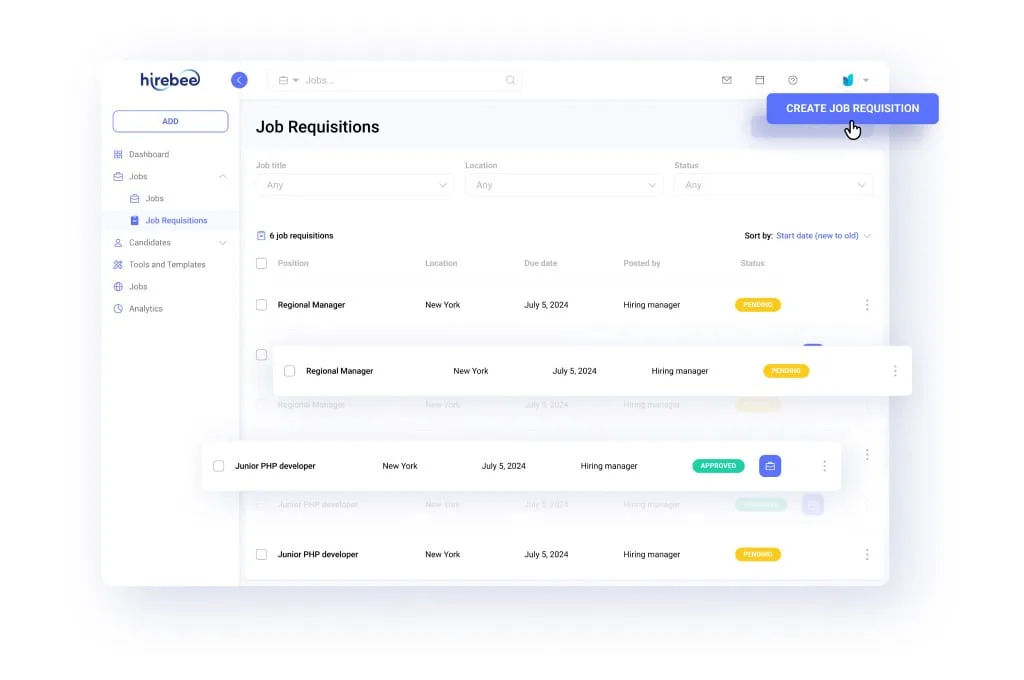
At the heart of structured hiring lies the job requisition, a formal request to open a new position within an organization. This document serves as the foundation of the hiring process, ensuring that every vacancy is approved, justified, and aligned with broader workforce planning goals. A job requisition typically includes critical details such as the job title, department, reporting manager, employment type, salary range, reason for the opening, and budget approval.
When managed manually, requisition workflows can be time-consuming and fragmented, often involving email threads, spreadsheets, and paperwork that delay hiring decisions. Digitizing this process not only reduces administrative burden but also enhances transparency and accountability. It allows HR, finance, and department heads to collaborate more effectively, with real-time visibility into the status of each request and built-in approval routing that keeps everything on track.
Digital job requisitions also lay the groundwork for smarter job distribution. Once a role is approved, details can flow directly into job posting workflows, minimizing data entry errors and speeding up time-to-post. Additionally, performance metrics, such as source effectiveness, time to fill, and applicant volume, can be linked back to the original requisition, offering a more comprehensive view of recruitment efficiency.
For example, Hirebee supports this streamlined approach by offering customizable workflows and defined role-based permissions, allowing teams to collaborate seamlessly from requisition to hire. While tools can simplify the process, the real value lies in the structure and clarity that digital requisitions bring to modern hiring practices.
Customizing Job Listings for Different Platforms
Not all platforms are created equal, especially when it comes to job distribution. Each channel, whether it’s a traditional job board like Indeed, a professional network like LinkedIn, or a social media feed like Facebook or Instagram, has its format, audience behavior, and best practices. That’s why customizing job listings to suit each platform’s unique environment is essential for maximizing visibility and engagement. For instance, job boards often prioritize keyword-rich titles and clear, structured formatting to rank listings higher in search results. On LinkedIn, a more professional tone and emphasis on company culture can help attract passive candidates scrolling through their feed. On social platforms, eye-catching visuals and concise descriptions are more effective at grabbing attention and driving clicks.
Recruiters who tailor their job posts for each platform increase their chances of reaching the right audience in the right context. Customization helps ensure that listings meet platform-specific requirements and are optimized for both discoverability and readability. This improves not only the quantity but also the quality of applicants, leading to a more efficient and targeted hiring process. Hirebee streamlines this customization by allowing users to adapt job content for various channels within a single workflow. Instead of creating multiple versions from scratch, recruiters can use flexible templates and platform-specific options to ensure each listing resonates with its intended audience.
Measuring the Impact of Your Job Distribution Strategy
Tracking the impact of your job distribution efforts is crucial for refining and optimizing your recruitment strategy. By monitoring key metrics like application rates, engagement levels, and the performance of different distribution channels, recruiters can gain valuable insights into what is working and where improvements are needed. These metrics help identify which platforms are most effective in attracting qualified candidates and which job postings resonate best with specific audiences.
For example, if a particular channel is underperforming, recruiters can pivot to other platforms or adjust the job description to better match the platform’s audience. Similarly, tracking engagement patterns helps understand what type of content (such as images, headlines, or job details) generates the most interest and conversions. Platforms that provide detailed, real-time analytics give recruiters the power to make informed decisions, optimizing job postings and distribution tactics as they go. Features like surveys can complement this by gathering direct feedback from candidates, adding another layer of insight into the process. Ultimately, this data-driven approach enables recruiters to continuously refine their strategy and improve recruitment outcomes.
How Hirebee Enhances Job Distribution
Hirebee offers a wide range of features that can significantly enhance your job distribution efforts. For instance, Hirebee’s robust reporting and analytics provide valuable insights into your applicants by source and track hires by source, helping you identify which platforms are driving the best candidates. These insights empower you to fine-tune your strategy and focus on the channels that deliver the highest-quality results.
To explore all the features Hirebee has to offer, simply visit our homepage. You can also get hands-on with job distribution by signing up for a 14-day free trial or booking a demo to see how Hirebee can streamline your hiring process.
Articles in this guide (41)
Navigating the Australian Job Market: A Guide to Job Boards
Navigating the job market can be a daunting task. Here are the top job boards to explore the Australian market.
Exploring the Diversity of Job Opportunities: Asian Job Boards Unveiled
The job market is a constantly evolving landscape. Let’s explore job opportunities available on Asian job boards.
The Ultimate Guide to Job Boards for Customer Support Professionals
Discover top job boards for customer support roles and boost your career. Find specialized tools, insights, and expert guidance.
A Guide to Job Boards for Administrative Professionals
Discover effective job search strategies with professional advice. Define goals, network, and customize your approach for job search success.
Top Job Boards for Marketing Industries
Discover the best job boards for marketing professionals. Find your dream marketing job with our top picks for industry-specific opportunities.
Navigating the Job Market: A Comparison of the Best Job Boards in Canada
Discover the best Canadian job boards and effective job search strategies in this comprehensive guide to navigating the job market.
The Top Job Boards in USA You Should Know About
Discover the best USA job boards! Find your dream job with our curated list of top job boards. Get started today.
Exploring the Top 5 IT Job Boards of 2023
Discover the best IT job boards of 2023! Explore top opportunities and kickstart your tech career on these leading platforms.
What Are The Best European Job Boards?
Discover the best job boards in Europe. Find your dream job with our top 10 picks. Explore opportunities and apply today!
Navigating the Gig Economy: Strategies for Engaging Freelancers in Job Distribution
Mastering Gig Economy: Boost freelancer engagement in job distribution. Explore effective strategies for successful navigation. Learn more!
From Virtual Events to Chatbots: Tech Tools for Enhanced Candidate Engagement
Discover how virtual events and chatbots are transforming candidate engagement. Explore tech tools for a dynamic recruitment experience.
The Power of Personalization: Tailoring Candidate Experiences in Job Distribution
Unlock success with personalized job distribution. Explore the impact of tailored candidate experiences in this insightful article.
Building Strong Connections: Candidate Engagement in the Digital Age
Discover effective strategies for candidate engagement in the digital era. Build strong connections with insights from experts.
Unlocking Candidate Engagement: Effective Methods and Trends in Job Distribution
Discover impactful strategies & trends for optimal candidate engagement through efficient job distribution. Elevate your hiring process today!
Optimizing Job Distribution Strategies for Diverse Industries: A Data-Driven Approach
Learn about how you can optimize your job distribution strategies for through a data driven approach for more diverse industries.
Emerging Trends in Job Distribution: Leveraging Niche Job Boards for Industry-Specific Talent Acquisition
Find out the emerging trends in job distribution and how you can leverage niche job boards to help with industry specific talent acquisition.
The Role of Job Boards in Industry-Specific Job Distribution: A Comparative Analysis
Learn about the role of job boards in industry-specific job distribution with the help of this detailed comparative analysis covering all of the essentials.
Beyond the Traditional: Innovative Job Distribution Techniques
Learn about innovative job distribution techniques that go beyond the traditional standard of what companies use to find good candidates.
Mastering the Art of Job Distribution: Boost Your Hiring Success
Learn about importance of master the art of job distribution and how you can boost your hiring success in a competitive market
Job Postings: A Step-by-Step Guide
Job postings help you in finding the right candidate. Learn the step by step process to know how you can create one.
What Are Job Requisitions? The Complete Guide
Learn what job requisitions are, their different types and all there is to know about them in this comprehensive guide.
Seamless Collaboration for Effective Job Distribution
Find out the ways to enforce a seamless collaboration process for effective job distribution through this article.
Mastering Multichannel Recruitment: The Power of Social Media Channels
Want to learn how you can harness the power of social media channels for successful talent acquisition? Then, read the article to learn more about it.
What is a Job Board? A Comprehensive Guide to Maximizing ATS Integration
Find out what a job board is all about and how you can maximize ATS integration for successfully hiring and onboarding candidates.
Tips to Measure Job Distribution Platform Effectiveness
Learn a few tips that will help you in measuring the effectiveness of your job distribution platform.
The Pros and Cons of Internal Hiring vs. External Hiring
Understanding external and internal hiring is pivotal to ensuring that you are able to find the right candidates for your team’s needs.
The Benefits of Internal Mobility: Enhancing Employee Engagement and Retention
learn about the many benefits of internal mobility and how it improves both employee engagement and retention
Global Hiring Made Easy: Steps to Finding the Right Candidates
Find out the different steps that you need to take to find the right candidates through global hiring and why it has become so important.
How job distribution automation can help with diversity and inclusion in hiring
Find out about how job distribution automation can improve diversity in your firm, and all of the ways that you can improve your team.
Strategies for Building Relationships with Top Universities and Attracting Graduates to Your Company
Learn the best strategies that you can implement to build better relationships with universities and bring more graduates.
Technical Hiring in 2023 A complete guide
Find out the top strategies for technical hiring as well as some of trends that you can expect in this technical hiring guide.
Hard vs. Soft skills: Top skills required for a technical job
Learn about the different soft and hard skills that you should look during technical hiring, ensuring that you are able to find the right candidate.
15 Ultimate tips to write effective job descriptions
Find out how you will be able to improve your job descriptions with this list of tips, ensuring that you are able to get the right candidates.
Job Requisition Importance Explained: Comprehensive Guide for Efficient Hiring Process
Learn about the importance of job requisition, as well as a guide on how to make your hiring process more efficient without compromising on quality.
Best Job Boards for Hiring Employees
Find out the best job boards that you can find online that will allow you to recruit better talent for your team while staying on a budget.
The Top Remote Job Boards to find the best fit: A Comprehensive Guide
Learn about the top job boards that can help you hire remote employees that have the skills and experience necessary for the job.
How to Distribute Job Postings Globally: Tips and Strategies for Employers
Learn about the relevant tips and tricks to global hiring and how to effectively distribute job postings across a variety of countries.
Everything You Need to Know About Job Application Forms and Templates
Find relevant tips for employers on how they can create effective job application forms, which can improve the talent they hire.
The Role of Artificial Intelligence in Job Boards
Find out how artificial intelligence is improving job boards, and allowing companies to find better talent through more efficient job posting services.
Effective Interviewing Techniques for Employers: Tips for Finding the Best Fit for Your Team
Learn the most effective interviewing techniques that you should apply when looking for the right talent, and tips on how to find the right employee.
A Comprehensive Guide to Job Application Questions for Hiring the Best Candidates
Add the right job application form questions to ensure that you can hire the right talent for your specific position.

Ready to see Hirebee HRMS in action?
Book a personalized demo and discover how we can transform your HR operations.